Insurance Customer Engagement Without Another App: The Mobile Wallet CX Layer
Feb 05, 2026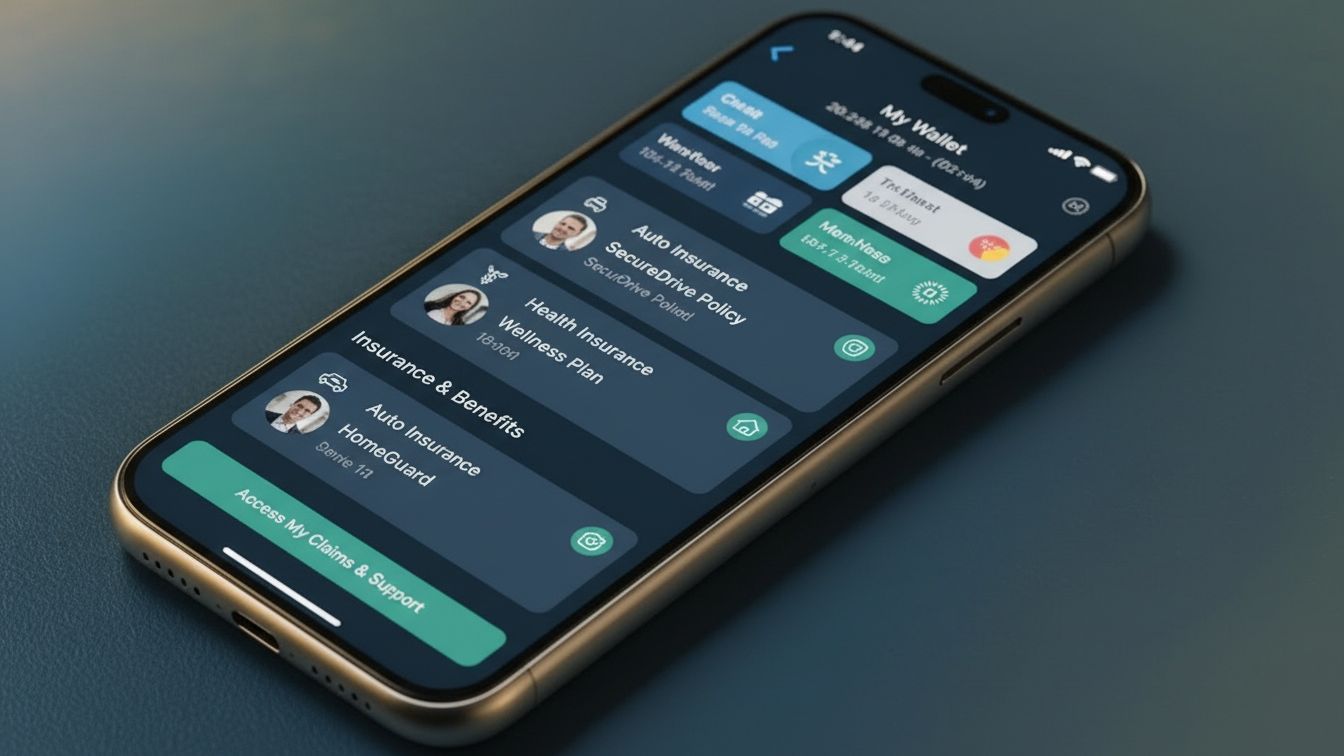
Imagine if every one of your customers carried your insurance brand in their pocket – not as a static paper policy or a forgotten app, but as a living, interactive launchpad on their smartphone. Picture it: a policyholder – let’s call her Jane – is driving home on a stormy night when she gets an urgent alert on her phone. A severe weather warning lights up in her mobile wallet card, with quick tips from her home insurer on protecting her property. This alert isn’t a generic text or an easily ignored email; it appears via her digital insurance card in her Apple Wallet – the same place she keeps boarding passes and bank cards. This is the first step in transforming the insurance experience from static to dynamic, putting the customer's needs at the center.
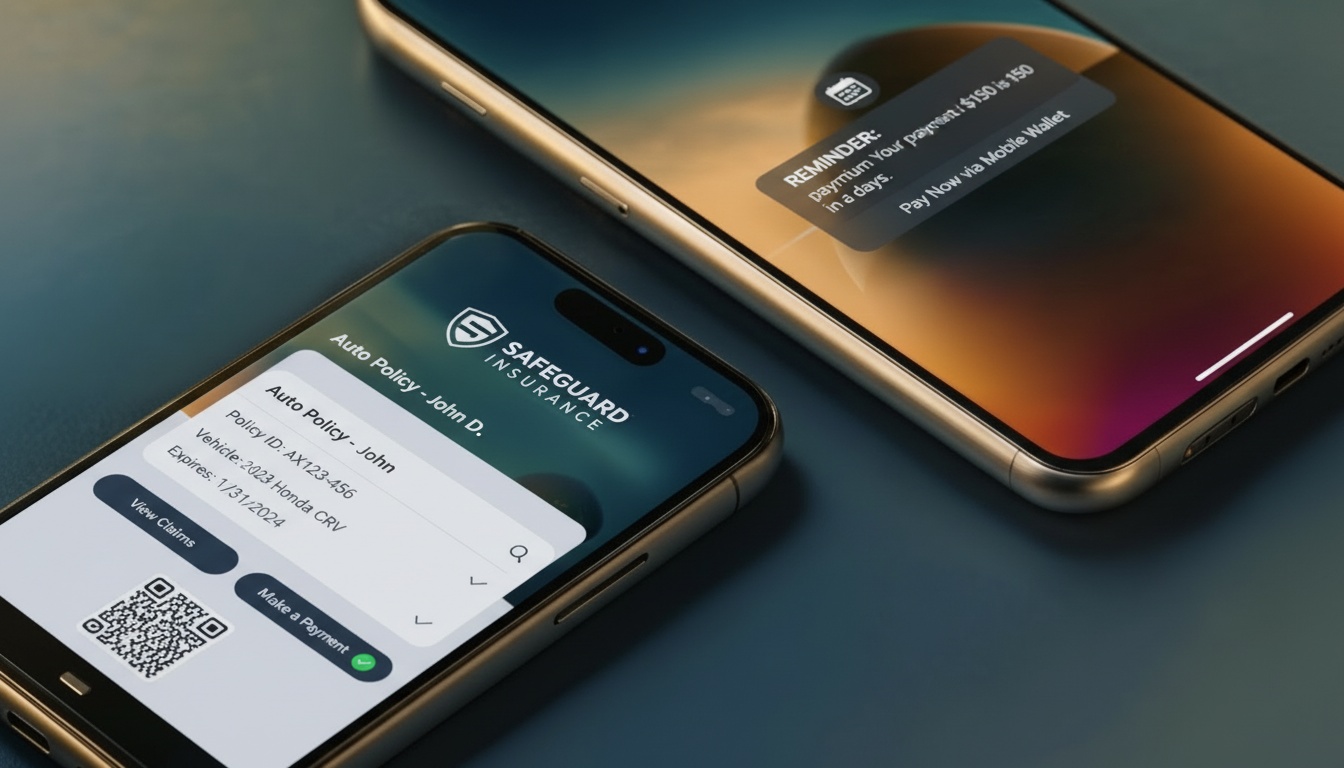
A week later, Jane’s car insurance wallet pass reminds her that her MOT and policy renewal are due, with a one-tap link to schedule service. And when Jane finally takes that long-postponed vacation abroad, her travel insurer’s wallet pass uses geolocation to welcome her to Rome and instantly outline what to do if she needs emergency medical help. Each of these moments is a touchpoint in the customer's journey, illustrating how engagement evolves across different stages and needs.
This isn’t a fairy tale – it’s the new reality of customer engagement that forward-thinking insurers are creating right now. This is the power of the Customer Experience Activation Fabric, an intelligent, mobile-first engagement layer that’s redefining how insurers connect with customers by understanding each customer's preferences and delivering timely, relevant experiences.
The Missing Piece in Insurance Customer Engagement Strategies and Experience
For too long, customer engagement in insurance stopped at the moment of sale. A homeowner would buy a policy and file it away, or a driver might download an insurer’s app only to never open it again. I’ve seen this story play out over and over in my years helping insurers and MGAs innovate. Customers “set and forget” their policies, and insurers lose touch – missing countless chances to build loyalty or cross-sell useful add-ons. How customers feel at each touchpoint is crucial, as it shapes their satisfaction and loyalty. A bad customer experience can drive people away quickly; 59% of consumers** will walk away from a beloved brand after several bad experiences, and 17% will leave after just one**. Sometimes, loyalty can be lost in a single day if a negative interaction occurs. This stark reality highlights the critical need for insurers to rethink how they engage with their customers at every step. Outperforming competitors in customer engagement is now essential for building loyalty and increasing revenue.
The truth is, traditional approaches have left a lot of value on the table. We all know the industry faces an engagement gap – an experience disconnect. As Anna Bojic, co-founder of Miss Moneypenny Technologies, bluntly observed, “Insurance and similar industries lose billions due to fragmented, inefficient, and outdated customer interactions… The era of the app as the epicenter of digital interaction is over.” Think about it – how many of your policyholders actively use your mobile app or log into their online account after purchase? Very few, in most cases. It’s not for lack of effort; insurers (and MGAs alike) have poured significant investment and resources into mobile apps and portals. But customers today have “app fatigue,” preferring direct engagement through digital wallets over downloading brand-specific apps with low retention rates. In other words, the “if we build it, they’ll use it” approach to insurance apps just isn’t delivering the loyalty and engagement we hoped for.
So what’s the alternative? The answer has been hiding in plain sight on your customer’s phone: the native Apple Wallet or Google Wallet. Miss Moneypenny Technologies – a company I’ve gotten to know well – spearheaded a new wave of mobile engagement by leveraging these ubiquitous wallet platforms. Initially, their SaaS product Wallet Studio turned a standard wallet pass into a two-way communication channel, effectively transforming a static digital ID card into what the company described as a “living service – always up-to-date, interactive, and fully branded.” A mobile wallet pass can receive dynamic content updates, so information stays current without any action from the user. Policyholders get real-time policy info, tap-to-authenticate access to services, personalized notifications, and even guided digital claims support – all from a simple wallet pass on their phone. In essence, this technology took the insurance experience out of clunky, siloed apps and embedded it into the everyday digital habits of the customer’s life. A customer-centric organization can use this approach to improve service quality and overall brand perception. It was insurance in your pocket – available with a swipe, at the moment and place the customer needs it.
That approach proved to be the missing puzzle piece in insurance customer experience. When you give customers something useful in a familiar, frictionless channel, they embrace it. Miss Moneypenny’s early deployments showed that an always-on digital presence in the mobile wallet can dramatically boost engagement. In fact, brands using wallet engagement have seen customer interaction rates peak at around 80% – an almost unheard-of level in our industry. Importantly, these aren’t spammy blasts or gimmicks; they are relevant, timely interactions delivered in a place customers actually check regularly. Insurers can leverage the knowledge gained from these customer interactions to continually improve support quality and the overall customer experience. No surprise that one global insurer’s digital lead described wallet-based engagement as “a promising business model” for the future.
Now, Miss Moneypenny Technologies has evolved this vision even further into something broader: the Customer Experience Activation Fabric. This concept builds on the wallet-pass foundation but goes beyond, positioning it as an intelligent service layer that activates presence, relevance, and trust across every customer moment that matters. By monitoring engagement rates and customer satisfaction, insurers can ensure ongoing improvement and system reliability. Let’s unpack what that means.
From Wallet Pass to Activation Fabric: What Is the Cx Activation Fabric?
The Customer Experience Activation Fabric (CX Activation Fabric) is essentially an evolution of the wallet-pass strategy into a comprehensive engagement fabric – a strategic, mobile-first service layer woven into your customer’s daily life. Think of it as a smart launchpad for real-time brand engagement, living in the one place on the phone your customer checks more often than any dedicated insurance app: their native wallet. But it’s not just about a digital card – it’s about connecting that card to everything else, seamlessly. In Anna Bojic’s own words, their Activation Fabric “acts as a context-aware launchpad, bringing the right service, message, or action to the surface in the moment it’s needed”.
In other words, the Activation Fabric transforms static insurance touchpoints into dynamic, contextual, human experiences – without requiring customers to download apps, remember passwords, or navigate clunky portals. It creates a wallet-native mobile access point that ties directly into the services and information your customer needs, when they need them. Some key characteristics of this approach include:
- Unified Access – It creates a mobile access point that lives in your customer’s wallet, a space they open more than any other app. From there, customers can reach policy details, service links, claims forms, support chat – whatever they need – in one or two taps. The wallet pass becomes the front door to your services.
- Connects the Dots – The Activation Fabric links all your existing channels together so the customer doesn’t have to navigate the maze. It bridges call centers, apps, web portals, document repositories, and chatbots into a cohesive experience. To the customer, it feels like one intuitive journey instead of fragmented hand-offs.
- Contextual and Intelligent – The system is context-aware, using triggers like time, location, or event data to surface the right message or action at the right moment. For example, if a storm is forecasted (as in Jane’s story), the home insurance pass might proactively display safety tips; if a customer just bought airline tickets, their auto insurance pass might gently prompt, “Traveling soon? Here’s a 10% off travel insurance offer.” This relevance makes each interaction feel timely and personal, not spammy.
- Frictionless and Human-Centric – Perhaps most importantly, the Activation Fabric makes complex service interactions feel simple and human. It translates complex backend processes into intuitive, tap-to-use experiences. No more searching for policy numbers or waiting on hold; everything is designed to be as easy as tapping a card and getting what you need. It’s technology doing what it should – minimizing friction and empowering customers, all under your brand’s friendly face.
Miss Moneypenny often explains that the Activation Fabric isn’t “another app” or one more system to build – it’s a smarter layer that works with the infrastructure you already have. It’s powered by their Wallet Studio platform, but from the insurer’s perspective, it slots in without a massive IT overhaul. And from the customer’s perspective, it feels like your brand just suddenly became brilliantly anticipatory and helpful in their daily life. In an age of endless logins and forgotten passwords, offering a no-download, no-login, always-on service entry point is a breath of fresh air. It puts your customer experience where your customer actually is, every day – on their phone, ready to activate at a moment’s notice.
Measuring Customer Satisfaction in the Age of Activation
In today’s hyper-connected world, measuring customer satisfaction is more important than ever for businesses aiming to stand out with effective customer engagement strategies. Customer satisfaction isn’t just a feel-good metric—it’s a key indicator of how well your company is meeting the expectations of your customers throughout the entire customer experience. By focusing on every stage of the customer journey, from the first interaction to ongoing support, companies can identify what’s working and where there’s room for improvement.
One of the most powerful ways to gauge satisfaction is by gathering valuable information through customer feedback. This feedback provides direct insights into what customers appreciate and where they encounter friction, allowing businesses to optimize their services and create a better experience. Another essential metric is the customer effort score, which measures how easy it is for customers to interact with your brand. Reducing the effort required to get help, make changes, or access information can lead to a significant increase in customer satisfaction and loyalty.
Ultimately, companies that prioritize measuring and improving customer satisfaction are better positioned to build lasting relationships, drive engagement, and achieve business success. By making customer satisfaction a central focus, businesses can continuously refine their strategies, deliver exceptional service, and turn satisfied customers into loyal advocates for their brand.
Reducing Customer Effort: Frictionless Journeys for Policyholders
Creating a personalized experience for policyholders starts with one crucial goal: reducing customer effort at every step of the journey. Today’s customers expect seamless, intuitive interactions with their insurance providers, and companies that deliver on this expectation can set themselves apart in a crowded market. By leveraging technology, data, and smart platforms, insurers can identify pain points and streamline processes, making it easier for customers to access the information and services they need.
For example, a digital platform that allows customers to manage policies, download documents, or file claims with just a few taps can dramatically reduce the time and frustration often associated with insurance. Tools that proactively surface relevant information—like renewal reminders or emergency contacts—help create a sense of ease and control for users. When companies focus on minimizing friction and providing solutions that anticipate customer needs, they not only improve satisfaction but also gain a competitive advantage.
Brands that prioritize reducing customer effort are rewarded with greater loyalty, as customers naturally gravitate toward companies that make their lives simpler. In a market where convenience is king, investing in frictionless journeys is a powerful way to create lasting value for both customers and the business.
Collecting and Acting on Customer Feedback
Customer feedback is the lifeblood of any successful customer engagement strategy. By actively collecting and acting on feedback, businesses gain valuable insights into what customers truly think about their services, uncovering both strengths and areas for improvement. This ongoing dialogue helps companies identify the key drivers of customer satisfaction and loyalty, ensuring that their offerings evolve in line with customer expectations.
To make the most of customer feedback, companies should ask themselves common questions: What are our customers’ biggest pain points? How can we improve our services to deliver a better experience? What solutions can we develop to address emerging needs? By listening closely and responding thoughtfully, businesses demonstrate their commitment to continuous improvement and innovation.
Importantly, acting on feedback isn’t just about fixing problems—it’s about engaging customers in the process of shaping the future of the business. When customers see their input leading to real changes, trust grows and relationships deepen. This approach not only enhances customer satisfaction but also fuels business growth, as companies that adapt quickly to feedback are better positioned to stay ahead of the competition and deliver exceptional value.
Net Promoter Score and Loyalty: The New Metrics of Trust
In the age of customer-centric business, the Net Promoter Score (NPS) has emerged as a vital metric for measuring customer loyalty and trust. By simply asking customers how likely they are to recommend your company to others, businesses gain powerful insights into the strength of their customer relationships and the effectiveness of their customer engagement strategies.
Tracking NPS over time allows companies to identify trends, spot areas for improvement, and make data-driven decisions to optimize their services. A significant increase in NPS often signals that customers are not only satisfied but also willing to advocate for the brand—an invaluable asset in today’s competitive landscape. Companies that focus on building trust and delivering consistent, high-quality experiences see tangible benefits: higher retention rates, stronger loyalty, and ultimately, greater business success.
By integrating NPS and other loyalty metrics into their performance tracking, businesses can ensure that their strategies remain aligned with customer needs. This ongoing focus on improvement and engagement helps companies maintain a leading edge, turning satisfied customers into passionate brand ambassadors.
Omnichannel Experience and Engagement: Meeting Customers Where They Are
Delivering a seamless omnichannel experience is now a cornerstone of customer satisfaction and business growth. Today’s customers expect to interact with brands across multiple channels—whether online, in-store, or via mobile—and they want each touchpoint to feel connected and personalized. Companies that leverage technology, data, and smart tools to understand their customers’ interests and behaviors can create a unified customer experience that stands out in the market.
By focusing on the development of an omnichannel strategy, businesses can engage customers in meaningful ways, providing consistent service and support wherever and whenever it’s needed. This approach not only creates a better experience for the customer but also drives a significant increase in satisfaction, loyalty, and retention. Importantly, a customer-centric omnichannel strategy goes beyond simply offering multiple channels; it’s about creating a cohesive journey that puts the customer’s needs and preferences at the center.
As companies continue to innovate and invest in omnichannel engagement, they unlock new opportunities for growth and differentiation. By meeting customers where they are and delivering a truly personalized experience, businesses can build stronger relationships, foster innovation, and secure their place as leaders in the evolving landscape of customer experience.
Real-World Impact: Activation in Action
This all sounds promising in theory, but does it work in practice? Absolutely. We’re already seeing real-world success stories where the CX Activation Fabric approach has driven remarkable outcomes for insurers and their customers. Let’s look at a couple of examples that illustrate the impact:
Zurich Insurance – Scaling Wallet Engagement Globally: One early adopter, Zurich Insurance (a global top-10 insurer), saw so much potential in wallet-based engagement that they’ve begun rolling out digital insurance passes to customers across all policy lines. “Our aim is to offer the option of a digital insurance card for every customer, across every policy,” says Joel Agard of Zurich Insurance. This initiative aligns with Zurich’s commitment to customer centricity, and they view it as a “promising business model for Zurich” going forward. That kind of commitment from an industry giant tells you that wallet-enabled Activation Fabric is not a niche experiment – it’s becoming an industry standard. In fact, Zurich’s move comes as part of a broader trend: major brands like Zurich, HDI and even non-insurance players like SIXT (mobility) have embraced Wallet Studio’s technology, achieving engagement rates up to 80% with their customers. When an insurer can get that level of regular, positive interaction, the effects on brand loyalty and lifetime value are profound. Zurich’s early results suggest that when you meet customers in a channel they already use and trust, they respond enthusiastically.
ERGO – Enhancing Emergency Support for Travelers: Another powerful illustration comes from ERGO Reiseversicherung (ERV), a leading travel insurer. ERGO partnered with Miss Moneypenny to launch a Digital Emergency Card for travel insurance customers – effectively bringing the Activation Fabric concept to the travel assistance experience. Now, when a customer buys ERGO travel coverage, they’re offered a digital emergency card to add to their smartphone’s wallet, replacing the old plastic emergency info card. This card isn’t just a static ID; it’s a lifeline on their phone. It loads up all the key info and emergency contacts a traveler might need – insurance policy details, a tap-to-dial emergency hotline, and even direct one-tap access to ERGO’s global medical assistance partner (Air Doctor) and claims filing website. Crucially, it’s always up to date and accessible offline, which is great when you’re in a foreign country with spotty internet. The result? If something goes wrong on a trip – say you fall ill abroad – you don’t scramble to find paperwork or remember logins. You just open your wallet card, and help is right there.
This approach has clear benefits for both customer and insurer. For customers, it means quick, transparent help in a frightening moment, which builds immense goodwill. (As a frequent traveler myself, I find that kind of instant reassurance incredibly valuable – it’s the kind of experience that can turn a distressed customer into a grateful advocate for the brand.) For ERGO, the digital card not only improves customer experience, it also promises efficiency gains: direct digital access to services speeds up assistance and claims processing, which can reduce overall claims costs and even help cut down on fraud or misuse through better oversight. Early feedback from the rollout has been very positive, and ERGO won an industry innovator’s award for this solution. It’s a vivid example of how the Activation Fabric can make a life-saving difference in moments that truly matter.
Context-Aware Cross-Selling and Retention: The Activation Fabric isn’t just about crises and service – it’s also a quiet workhorse for growth. By staying present in the customer’s pocket, it creates natural openings to add value (and capture additional revenue) at just the right times. For instance, consider cross-sell opportunities: If a customer’s auto insurance wallet pass “senses” (via a data trigger) that the customer just bought plane tickets, it could automatically display a gentle note about travel insurance, or a discount for travel coverage, right there on the card. Unlike a random marketing email that arrives at a bad time (and goes unread), a well-timed wallet notification about a relevant product feels more like a personal concierge service. It’s coming from the card they already have, exactly when they might need the advice. Insurers using this approach have effectively turned dormant policies into active marketing channels – without being intrusive. I’ve seen cases where this drove significant uptake in multi-product holdings, effectively turning single-policy customers into multi-line clients by being helpful at just the right moment.
On the retention side, presence equals loyalty. If your brand’s “digital hand” is regularly reaching out with useful info – be it a weather alert, a renewal reminder, or even a happy birthday message – the customer is far less likely to forget about you. Instead of being invisible for 11 months out of 12, you remain a helpful part of their life. Every one of these micro-engagements is a chance to reinforce trust and relevance. It’s telling that many insurers talk about wanting to be more “customer-centric”; the Activation Fabric actually operationalizes that by keeping the insurer present in customers’ daily digital routines. Over time, that presence translates into customers sticking around. (After all, why switch to a competitor you’ve barely heard of, when the insurer you’re with is consistently useful and top-of-mind?) Research backs this up: industry analysts have found that insurers who invest in customer-centric innovations and better customer experience are seeing higher retention rates, greater customer satisfaction, and increased profitability. In short, better engagement isn’t just a nice-to-have – it directly drives better business outcomes.
Efficiency and Reduced Cost-to-Serve: There’s also a very practical win here: cost savings. One of the hidden drains on insurers (especially MGAs with lean teams) is servicing mundane customer inquiries and reissuing documents. How many calls does your contact center field from customers just wanting to check their claim status or find their policy details? How many printed documents and ID cards do you still mail out each year? An always-on wallet service cuts those costs dramatically. When a policyholder can get instant answers from their wallet pass, they don’t need to ring up your call center just to ask, “What’s the status of my claim?” – saving your team time and saving your customer from waiting on hold. Miss Moneypenny’s platform data shows that giving customers self-serve access at their fingertips leads to fewer incoming calls and a happier, calmer customer base. And those digital insurance cards eliminate the need to print and post physical policy packets or ID cards; everything is delivered securely to the phone, meeting modern expectations and trimming operational costs. This kind of efficiency is no small matter in insurance, where margins are tight and every point of combined ratio counts.

A New Edge for MGAs and Transformation Leaders
It’s worth calling out the special relevance of the Activation Fabric for MGAs (and MGUs) and any insurer that operates through intermediaries or with limited direct tech. If you’re a senior transformation or customer experience leader at an MGA, you know the challenge well: you own the customer relationship, but you don’t always own the full tech stack or distribution channels to serve them digitally. You’re often working with tight margins, rising customer expectations, and pressure to show value fast. Here’s where the Activation Fabric can become your secret weapon. It essentially gives client-facing carriers and MGAs a direct line to their customers’ everyday lives without having to build a heavy app or portal. As Miss Moneypenny’s team puts it, what if the problem isn’t your service or people – what if it’s simply your entry point to the customer? If you start the customer’s journey in their wallet, you bypass so much friction. You show up in the one digital space they already trust and use daily, rather than begging them to come to yet another proprietary channel. This is hugely empowering for an MGA that may not have a sprawling IT department or massive app budgets.
By deploying a wallet-based Activation Fabric, an MGA can deliver a modern, app-like experience with virtually no installation barrier. The barrier to entry for the customer is essentially zero (adding a wallet pass takes seconds, with no login needed). And the MGA suddenly has a branded presence that stays visible to the customer, whether or not the policy was sold under a larger carrier’s name. In a sense, it levels the playing field – letting nimble MGAs punch above their weight in terms of customer experience. We’ve seen MGAs use it to reclaim visibility (so they’re not forgotten post-sale) and to enable cross-sells that would have otherwise been missed opportunities. For anyone responsible for growth and retention in a smaller insurance entity, this kind of plug-and-play CX innovation is incredibly attractive. It’s quick to implement, it doesn’t disrupt existing systems, but it adds a powerful new capability overnight. When I talk to MGA CEOs and Chief Customer Officers, I often ask: how many of your customers drift away at renewal because they felt invisible for the past year? How many potential cross-sales have you missed simply due to lack of a timely touchpoint? Each of those is a hole the Activation Fabric can help plug – today, not in some distant IT roadmap.
Embracing Activation for Customer Satisfaction – A Bold but Necessary Transformation
We’re at an inflection point in the insurance industry. Mobile wallets are no longer just for boarding passes and coffee shop loyalty cards; they’re becoming mainstream engagement channels. Insurers now have the opportunity to ride this wave and fundamentally transform their customer relationships. But doing so requires boldness and a willingness to challenge the status quo. This is a traditionally risk-averse industry – I get it. Change can be uncomfortable. Yet, as Sabine VanderLinden (and many of you) have long argued, innovation in insurance must be impact-driven. It’s not about “innovation theater” or playing with shiny tech for tech’s sake. It’s about finding practical ways to deliver what customers actually want: speed, convenience, relevance, and a sense of being cared for.
The Customer Experience Activation Fabric is a prime example of practical innovation. It leverages something that’s already in billions of pockets (over 4 billion people worldwide now use digital wallets) and turns it into a conduit for better service. It doesn’t ask your customers to change their behavior; it asks us as insurers to change how we show up. It’s a mentality shift from “come to us (download our app, visit our portal)” to “we’ll be there for you, wherever you are.” When customers are on their phones living life – not thinking about insurance at all – you have a way to be present, useful, and supportive in seconds when it does matter. That’s a game-changer for customer engagement.
I’ll conclude with a vision. Once upon a time, an insurer (or MGA) decided to put the customer’s experience above all else. Rather than expecting customers to bend to the company’s processes, they met customers where those customers already were – in the flow of everyday life, on their mobile phones. They made insurance feel as easy as paying with Apple Pay, as natural as getting a text from a friend. That insurer didn’t just win a one-time sale; they won the customer’s loyalty for years to come. In a market as fiercely competitive as insurance, that kind of loyalty is gold.
Now, over to you. As a transformation leader or Chief Customer Officer reading this, ask yourself: What stories will you be telling a year from now? Will you be talking about how you seized this opportunity to activate a truly customer-centric experience fabric in your business? Or will you let others take the lead in shaping the future of insurance customer experience? The technology is here, it’s secure, and it’s surprisingly agile to implement – in fact, insurers have launched wallet-based programs in a matter of days, not months. The question is, do you have the vision (and the boldness) to tap into it?
In my experience, those who lean into these opportunities early reap the biggest rewards. The Activation Fabric approach can deliver presence, relevance, and trust at scale – and those translate directly into retention, growth, and efficiency. It’s not often in our industry that something comes along with win-win written all over it. This is one of those moments. It’s time to activate a new kind of customer experience fabric and weave your brand into the moments that truly matter. Let’s make sure that, when the next chapter of insurance innovation is written, your company’s name is front and center in the story of how customer experience was transformed for the better.
Sources:
- Bojic, A. – Commentary on outdated interactions and mobile app fatigue eu-startups.com and techfundingnews.com
- Miss Moneypenny Technologies (Wallet Studio) – Platform capabilities and case studies mgaa.co.uk and techfundingnews.com and insureNXT
- PwC – Research on how bad customer experiences drive customers away (59% leave after several bad experiences, 17% after one.)
- Earlybird & b2venture – Reports on Wallet Studio’s impact (engagement rates up to 80%) techfundingnews.com and eu-startups.com
- Zurich Insurance – Quote on digital insurance cards as a new business model eu-startups.com
- ERGO Reiseversicherung – Press release on digital emergency card (features and benefits for travelers, in collaboration with Miss Moneypenny Technologies.)
- insureNXT Innovators Award – ERGO Digital Emergency Card for travel insurance (collaboration with Miss Moneypenny) insureNXT
- Bridgenext (CX Trends 2025) – On insurers investing in CX for retention and satisfaction bridgenex
- Industry Analysts (Gartner/Forrester via Bridgenext) – Insights on insurers investing in customer experience seeing higher retention, satisfaction, and profitability.
Editor in Chief

Rebuilding Risk Resilience